


Why Traditional Whiteboards Are No Longer Enough for Modern Classrooms and Meeting Rooms
Classrooms and meeting rooms look different today. Teachers now bring lessons to life with videos, pictures, and online learning tools. Teams now swap ideas, share files, and join meetings from many places. As learning and work continue to evolve, traditional whiteboards find it challenging to keep pace.
A normal whiteboard only lets people write and wipe away notes. It cannot play videos, store ideas, or link people from different places. For this reason, many educational institutes and businesses now choose a system like an interactive whiteboard in Malaysia. This smart screen helps people learn, share, and work together with ease. As classrooms and offices grow more connected, people need tools that spark better learning and stronger teamwork.
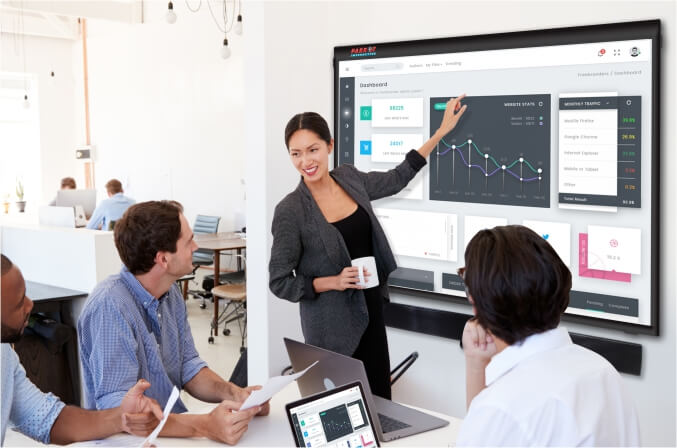
The Way We Teach and Collaborate Has Changed
People learn and work in fresh ways today. Teachers no longer depend only on books and markers. They now combine videos, pictures, and online lessons into daily teaching that captures attention and encourages stronger classroom participation. Businesses exchange digital files while they conduct online meetings and develop projects through shared platforms, which enable teams to stay connected and complete their work efficiently. Students and workers now need learning and meeting environments which offer advanced features beyond basic boards and standard teaching approaches because of these changes.
People want to participate in activities while they also seek to ask questions and exchange their ideas. Users expect their information to become visible right away through a simple and direct presentation. People need learning and working tools which match their present-day activities, while these tools should improve their ability to communicate and their involvement with others.
The Hidden Problems with Traditional Whiteboards
Traditional whiteboards served schools, universities, and offices for many years. However, they now create challenges that affect learning, communication, teamwork, and daily productivity. When someone wipes the board, important notes are removed. Teachers and team leaders must write everything again if they need those notes later. This wastes valuable time and creates extra work during busy schedules.
Traditional whiteboards cannot display videos, websites, images, or presentations. People often need extra equipment to support classes and meetings, which can make them less organised and efficient.
Another problem affects participation. One person writes while everyone else watches. This slows down the discussion and reduces interest. Traditional whiteboards also fail to connect people who join from another location and need access to shared information.
What Modern Learning and Meeting Spaces Need Today
People require basic tools which enable them to learn and share information through simple communication methods. They maintain organised access to their data in current educational spaces and business meeting areas. The classroom environment needs teachers to have screens which combine lesson content with images and video materials and interactive learning activities into one display system. Students need ways to join lessons and explore ideas through meaningful classroom interactions every day.
Meeting rooms need tools that help teams shape plans, solve problems, and share information. They also need systems that welcome remote participants and support smooth communication during meetings. Most importantly, people need one screen that gathers everything together. This saves time and helps everyone stay focused while improving teamwork and reducing unnecessary distractions.
How Interactive Whiteboards Solve These Challenges
Interactive whiteboards combine educational activities with writing functions, content sharing, and team collaboration through their unified display. The system eliminates standard whiteboard restrictions, which enables students to join learning activities through various communication channels for better interaction with their peers and teachers.
1. Touch and Explore the Screen
Users tap, drag, write, and sketch directly on the display. This hands-on approach keeps everyone involved while making lessons and meetings more enjoyable and memorable.
2. Show Videos, Pictures, and Presentations
The screen displays videos, images, websites, and documents. These visual tools help people grasp ideas faster and understand important information with greater confidence.
3. Save and Share Notes
The board stores notes straight away. Teachers and meeting leaders can send information without rewriting everything, which saves energy and keeps records organised.
4. Link People from Different Places
People in the room and people online can view the same content and join the same discussion while sharing ideas without delays or confusion.
How Interactive Whiteboards Help Daily Learning in Smart Classrooms
Children learn best when they join activities and explore lessons. Interactive whiteboards help bring learning to life while making classroom experiences more exciting and engaging.
Students Join the Action
Students touch the screen, answer questions, and complete activities. This helps them stay interested while building confidence and encouraging active classroom participation.
Teachers Show Bright Visuals
Teachers display videos, diagrams, pictures, and animations. These visuals help children understand lessons more easily and remember important information for longer periods.
Lessons Flow Smoothly
Teachers open notes, resources, and lesson materials from one screen. This keeps learning organised and helps teachers guide classes without unnecessary interruptions.
Students Work as a Team
Students solve problems together, share ideas, and complete tasks as a group. This strengthens teamwork while helping children build communication and social skills.
How Interactive Whiteboards Help Modern Meeting Rooms
Businesses need tools that help people share ideas and complete work with ease. Interactive whiteboards support stronger teamwork while helping meetings stay focused and productive.
Teams Build Ideas Faster
People write ideas on the screen and shape plans together. This keeps discussions moving while encouraging creative thinking and valuable team contributions.
Presentations Stay Clear
Presenters switch between videos, documents, and images without breaking the flow of the meeting, which helps audiences follow information more easily.
Everyone Takes Part
Every team member can add ideas and join discussions. This keeps meetings lively and useful while encouraging stronger collaboration across departments.
Notes Stay Ready
The system stores meeting notes and action plans. Teams can open them later whenever needed and review important details without searching through paperwork.
Industries Benefiting Most from Interactive Whiteboards in Malaysia
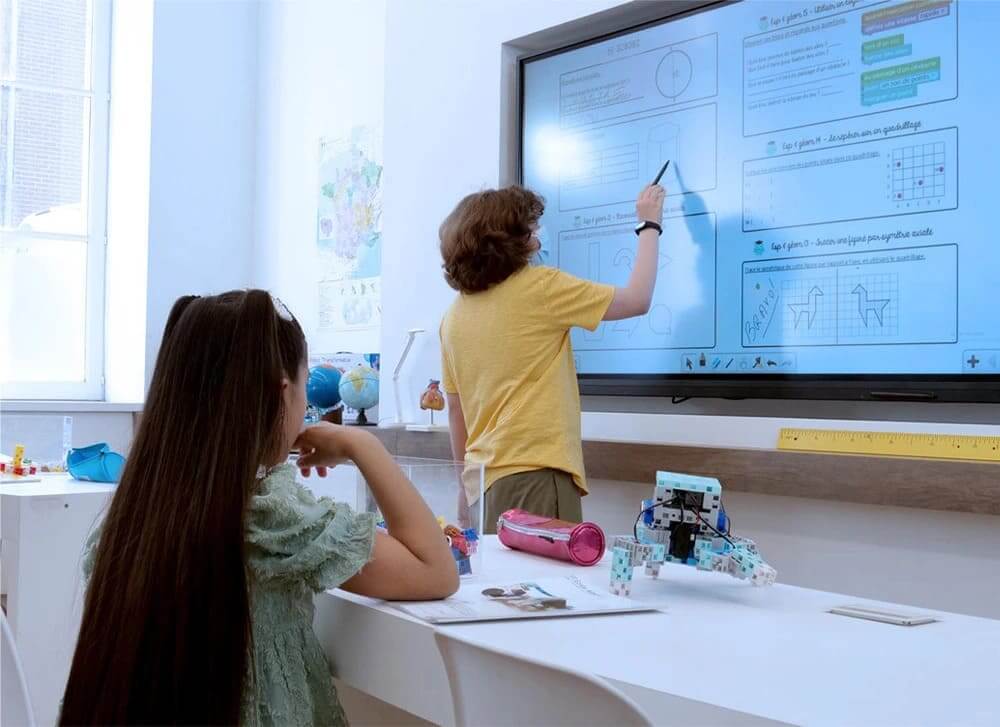
Many industries now use interactive whiteboards because they help people learn, share, and work together while improving communication and supporting everyday activities.
1. Schools and Colleges
Teachers use interactive whiteboards to spark interest and support learning while helping students take part in lessons with greater confidence.
2. Business Offices
Organisations operate interactive displays to direct their meetings and training sessions and project discussions, which also help their teams distribute information and conceptualise ideas efficiently.
3. Government Departments
Digital screens serve as planning tools for government teams, which they also use to conduct meetings and staff training sessions while maintaining effective communication across their various organisational units.
4. Healthcare Centres
Hospitals and clinics use interactive displays to teach staff and share information while helping teams discuss important healthcare topics clearly.
5. Training Centres
Training providers use interactive screens to explain lessons in a simple way while helping learners understand information more quickly and accurately.
Signs Your Organisation Is Ready for an Interactive Whiteboard
Several signs can show that a school or business needs a better display system while supporting improved communication and stronger participation.
Digital Content Appears Often
People use videos, presentations, websites, and online resources every day, which increases the need for a more effective display platform.
People Lose Focus
Students or team members struggle to stay interested during lessons and meetings, which can reduce learning outcomes and meeting effectiveness.
Remote Participation Grows
More people join sessions from different places, which creates a greater need for shared communication and collaboration tools.
Manual Tasks Take Too Long
Staff spend time rewriting notes and sharing information after meetings and lessons, which slows productivity and creates unnecessary work.
What Malaysian Buyers Should Look for Before Investing
Choosing the right display helps schools and businesses gain value for many years while supporting learning, communication, and teamwork goals.
Clear Screen Quality
Everyone should see content clearly from anywhere in the room, which helps improve understanding and participation during sessions.
Quick Touch Response
The screen should react quickly when users write, tap, or move content while creating a smooth and enjoyable user experience.
Easy Device Connection
The display should connect smoothly with laptops, tablets, and other devices, which helps users access information without delays.
Reliable Support
Strong support helps users solve problems and keep work moving while ensuring the display continues performing at its best.
The Future of Interactive Collaboration
People will keep learning and working with digital tools. Classrooms and meeting rooms will welcome more visual content, shared ideas, and online communication.
Interactive displays will help people connect, learn, and create together from different places. As more schools and businesses choose digital tools, demand for an interactive whiteboard in Malaysia system will continue to rise. These displays help people share ideas, save time, and stay connected.
Conclusion
Traditional whiteboards have helped classrooms and meeting rooms for many years. However, they can no longer handle today’s learning and communication needs. People now need tools that help them share ideas, show digital content, save notes, and work together.
An interactive whiteboard in Malaysia helps schools and businesses create better learning and meeting experiences. It keeps people involved and makes information easier to share. Thanks to trusted technology from Votigo Systems, organisations can build classrooms and meeting rooms that support learning, teamwork, and growth for many years.
Frequently Asked Questions
An interactive whiteboard in Malaysia is a touch screen that lets people write, draw, show content, and interact with lessons or presentations.
It helps students join lessons, explore pictures and videos, answer questions, and learn through activities.
Yes. People in the room and online can view content and share ideas.
They help people learn, communicate, save information, and work together in a simple and useful way.