


The Complete Guide to Conference Room Booking Systems for Modern Workplaces
Every office needs people to talk, share ideas, and hold meetings. Team members gather daily to discuss plans, goals, projects, and tasks. Sometimes, workers struggle to find an empty room for a meeting. This challenge often causes delays and interrupts important workplace activities. They may book the same room at the same time or miss important updates. These situations create confusion and affect meeting schedules across departments. These problems can slow down work and cause stress. They may also reduce teamwork and create frustration among employees.
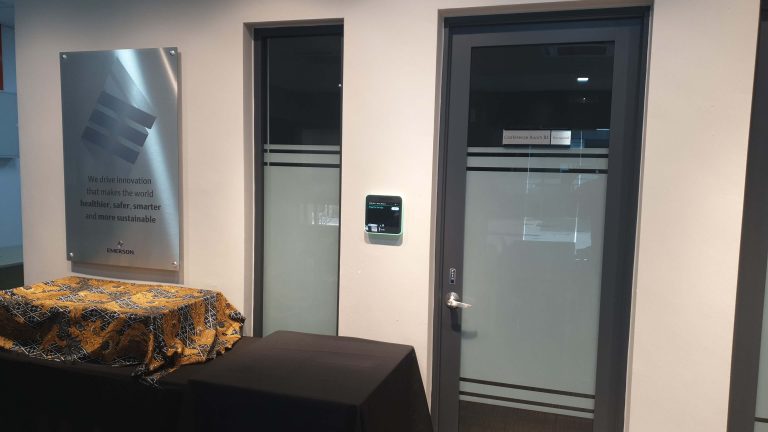
A conference room booking system helps teams find and book rooms with ease. It creates a simple process that supports organised workplace communication. It shows which rooms are free and helps people plan meetings without confusion. Employees can check room details quickly before making reservations. As offices grow and work styles change, smart room booking tools help teams stay organised, save time, and keep their work going smoothly. These tools support better planning and improve daily office operations.
What’s A Conference Room Booking System?
A conference room booking system is a smart tool that helps people pick and reserve meeting rooms. It simplifies room scheduling and reduces confusion throughout the workplace. Instead of sending emails or writing notes, workers can open the system and see which rooms are free. This saves effort and helps employees make faster booking decisions. The system shows room schedules, room sizes, and useful equipment. It also displays important details that support meeting preparation. Workers can choose the best room for their meeting. This helps teams select suitable spaces without unnecessary searching. This simple process cuts mistakes and keeps everyone informed. Accurate information helps employees coordinate meetings with greater confidence.
Why Traditional Room Scheduling No Longer Works?
Old booking methods often create problems. They rely on outdated processes that slow down workplace organisations. Workers may write down different schedules, forget updates, or reserve the same room twice. These mistakes can disrupt meetings and create unnecessary confusion.
As offices become busier, paper lists and long email chains create more confusion. Employees struggle to track room availability across different communication channels. Businesses need one place where everyone can see room information. A central system helps improve visibility and scheduling accuracy. Digital booking tools solve these problems and keep schedules clear. They help organisations manage meeting spaces more efficiently.
How a Meeting Room Booking System Works?
Meeting room booking systems guide people through a simple booking journey. It creates a clear process that helps employees reserve rooms. It helps them find rooms, reserve spaces, and manage changes without difficulty. Users can complete each step quickly with minimal effort.
Step 1: Check Free Rooms
The system displays all meeting rooms and shows which ones stand ready for use. Employees can review availability and make informed booking choices.
Step 2: Choose the Right Room
Workers pick a room that matches the number of people and the meeting’s needs. This ensures every meeting takes place in a suitable environment.
Step 3: Book the Room
The user selects a date and time and locks in the reservation. The system records details instantly and updates room schedules.
Step 4: Obtain Confirmation
The system dispatches a booking message to inform everyone about the room reservation. This helps participants stay informed about upcoming meetings.
Step 5: Change the Booking
Users can move, update, or cancel meetings when plans shift. The platform adjusts room availability and prevents scheduling conflicts.
Step 6: Track Room Use
Managers study room usage and spot patterns that help improve office planning. These insights support smarter decisions about workplace resources.
Key Features of Modern Conference Room Booking Systems
Modern booking tools carry many helpful features that make room management easier. These functions support efficient scheduling and good workplace organisation.
Real-Time Availability
The system reveals free rooms right away. Employees can make quick decisions without checking multiple sources. This feature helps workers grab available spaces without delay. It reduces waiting time and supports smoother meeting arrangements.
Calendar Integration
The software links with workplace calendars. This connection keeps information consistent across scheduling platforms. This connection keeps schedules neat and helps workers avoid clashes. Employees can coordinate meetings without worrying about booking conflicts.
Interactive Room Selection
Visual floor maps guide users to meeting rooms. Clear layouts help users navigate office spaces with ease. Employees can spot suitable spaces quickly. This feature simplifies room selection and improves booking accuracy.
Mobile Accessibility
Workers can reserve rooms from phones, tablets, or laptops. This feature supports flexibility across different work environments. This flexibility helps both office and remote teams. Employees can manage bookings wherever their work takes them.
Top Benefits of Using a Conference Room Booking System
A digital booking tool brings many advantages to the workplace. These benefits help organisations improve efficiency and room management.
Boosts Productivity
Workers spend less time hunting for empty rooms. They can focus on valuable tasks that support business goals. They can focus on important tasks instead. This helps teams complete work without unnecessary interruptions.
Improves Space Use
Managers can view room usage and uncover spaces that sit empty too often. This information helps businesses effectively optimise workplace resources.
Stops Booking Conflicts
The system blocks double bookings and keeps schedules accurate. Employees can arrange meetings confidently without scheduling concerns.
Strengthens Teamwork
Teams can arrange meetings quickly and gather in suitable spaces without hassle. Better meeting coordination supports stronger communication and collaboration.
Who Needs a Meeting Room Booking System?
Many workplaces can benefit from arranging room schedules. Various organisations face unique challenges when managing meeting spaces.
1. Corporate Offices
Large offices hold many meetings each day. Teams require reliable tools to coordinate meeting schedules effectively. A booking system helps staff reserve rooms and avoid confusion. It creates a smoother experience for all employees involved.
2. Hybrid Workplaces
Hybrid teams need flexible booking tools. Staff often work from different locations throughout each week. Employees can reserve rooms whether they work from home or the office. This flexibility supports communication across distributed workforces.
3. Educational Institutions
Schools, colleges, and training centres often organise meetings and events. Staff need efficient ways to manage shared learning spaces. Booking software helps staff manage spaces with ease. It improves the organisation and supports educational activities effectively.
Conference Room Booking System vs Traditional Scheduling Methods
The differences between digital booking and old scheduling methods become easy to spot. Modern meeting room booking systems offer greater efficiency, visibility, and booking accuracy.
| Feature | Conference Room Booking System | Traditional Scheduling |
|---|---|---|
| Availability Updates | Instant updates | Manual updates |
| Booking Accuracy | High accuracy | More mistakes |
| Room Visibility | One clear view | Scattered information |
| Schedule Changes | Fast updates | Slow process |
| Usage Reporting | Detailed insights | Limited records |
Common Challenges When Managing Meeting Rooms
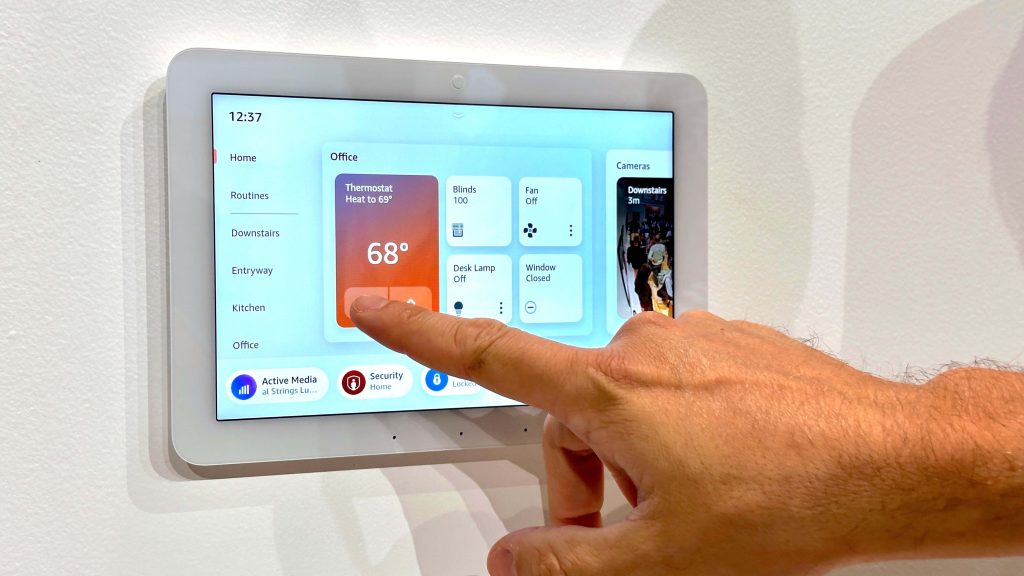
Meeting room management can create several problems. Organisations often face scheduling issues during busy workdays. Two teams may reserve the same room. This can disrupt important meetings and affect productivity. Some people may book rooms and never use them. Empty reservations can waste valuable workplace resources unnecessarily. Busy offices may struggle to find suitable spaces. Employees may spend extra time searching for available rooms. Poor communication can also create booking mistakes. These errors can confuse teams and delay important discussions.
A conference room booking system clears up these problems by giving everyone one trusted source of information. This approach improves visibility and helps teams stay organised.
Essential Factors to Consider Before Choosing a Conference Room Booking System
Businesses should examine several factors before selecting a room booking solution. A careful evaluation helps organisations choose the best platform.
Ease of Use
A simple design helps employees learn the system quickly and start using it with confidence. Easy navigation encourages adoption across the entire organisation.
Scalability
The system should grow alongside the business and support future needs. Flexible solutions can adapt to changing workplace requirements.
Integration Options
Strong connections with existing workplace tools help create a smooth booking experience. Integration reduces manual tasks and improves information flow.
Reporting Capabilities
Useful reports help managers understand room usage and improve planning. Detailed insights support smarter resource management decisions.
Integration Capabilities That Matter Most
Integration helps workplace tools work together. It connects important systems and improves operational efficiency. Modern booking systems connect with calendars, email platforms, visitor management tools, and office scheduling software. These integrations streamline workflows across different business functions. These connections reduce manual work and keep information flowing smoothly. Employees can manage bookings from familiar platforms while managers maintain accurate schedules. This creates a more connected and productive workplace environment.
The Role of Analytics in Meeting Room Management
Analytics uncover valuable information about meeting room usage. They provide data that supports informed workplace decisions. Managers can see which rooms attract the most bookings and which spaces sit empty. This visibility helps identify opportunities for improvement and optimisation. These insights help businesses shape better office layouts and use resources wisely. Over time, organisations can improve their meeting spaces based on real user data. Better planning supports long-term workplace efficiency and growth.
Best Practices for Successful Implementation
Effective planning helps organisations successfully launch their reservation systems. Preparation ensures smoother adoption and stronger user engagement. Staff should learn how the platform works before it goes live. Proper training builds confidence and reduces implementation challenges. Clear booking rules help everyone follow the same process. Consistent guidelines improve scheduling accuracy across the workplace. Regular reviews keep the system useful and effective. User feedback also helps improve adoption and long-term success. Continuous improvement strengthens the value of the booking solution.
Conclusion
Meeting rooms help people share ideas, solve problems, and make decisions. They support communication and encourage teamwork throughout the organisation. However, old booking methods often create delays, confusion, and wasted space. These challenges can reduce productivity and affect workplace efficiency. Strong meeting room booking systems solution simplifies room reservations and improves workplace organisation. It helps employees manage meetings through a reliable process.
Businesses gain better visibility, stronger teamwork, and smarter space management. These benefits support growth and improve daily business operations. As workspaces continue to change, digital booking tools will help organisations stay organised and productive. Companies looking for a smarter way to manage meeting spaces can explore solutions from Votigo Systems and create a workplace that runs smoothly every day. This approach supports long-term efficiency and stronger workplace collaboration.